
Co-Creating
Just and Sustainable
Climate Solution.As a strategic point of convergence, MADANI fosters
dialogue and mobilizes evidence-based collective action
rooted in local realities to create tangible global impact.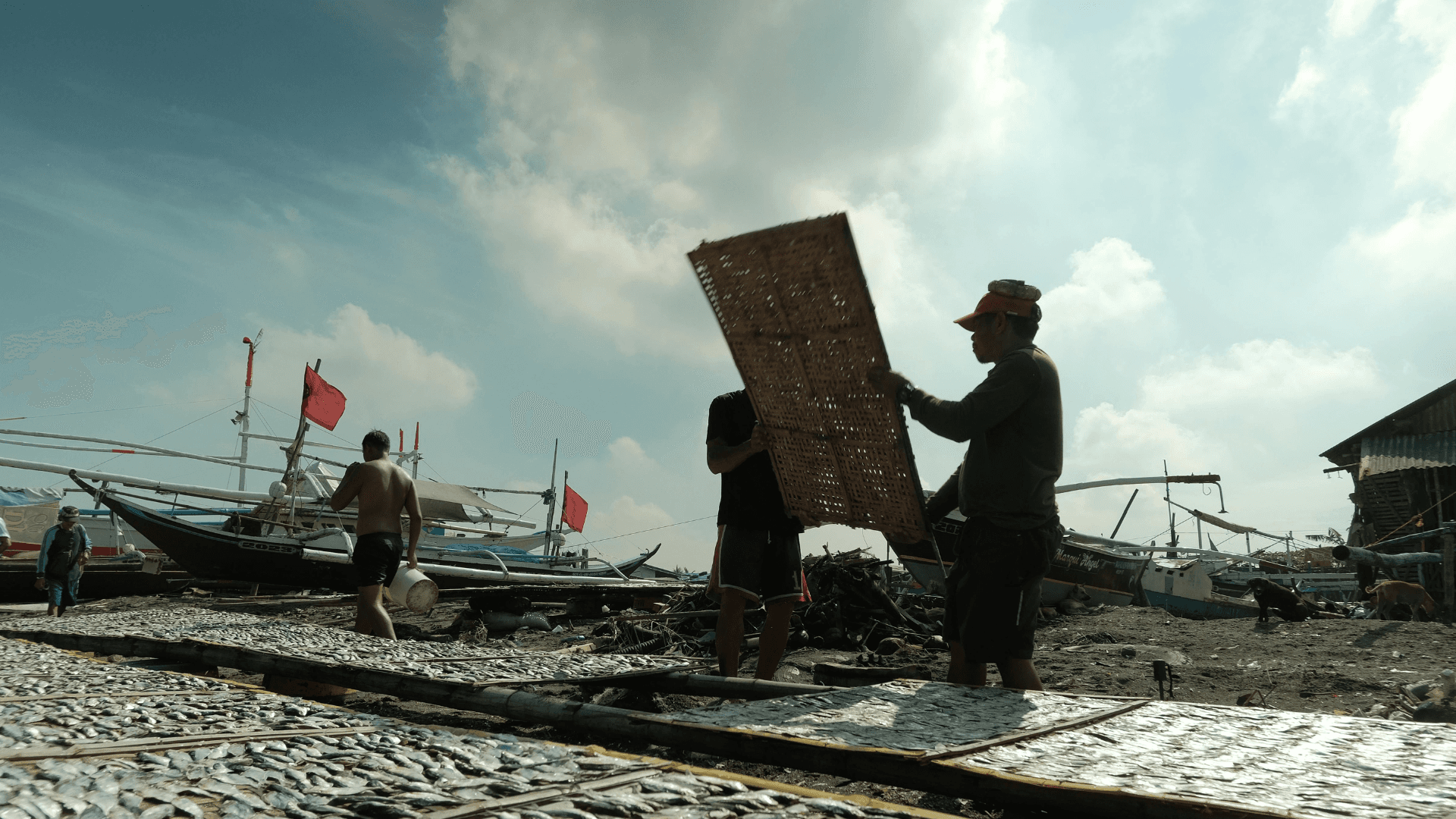
Building Climate
Resilience Through
Collective ActionWe connect diverse stakeholders, to co-createinclusive,
sustainable and measurable climate solutions that build
resilience from the ground up.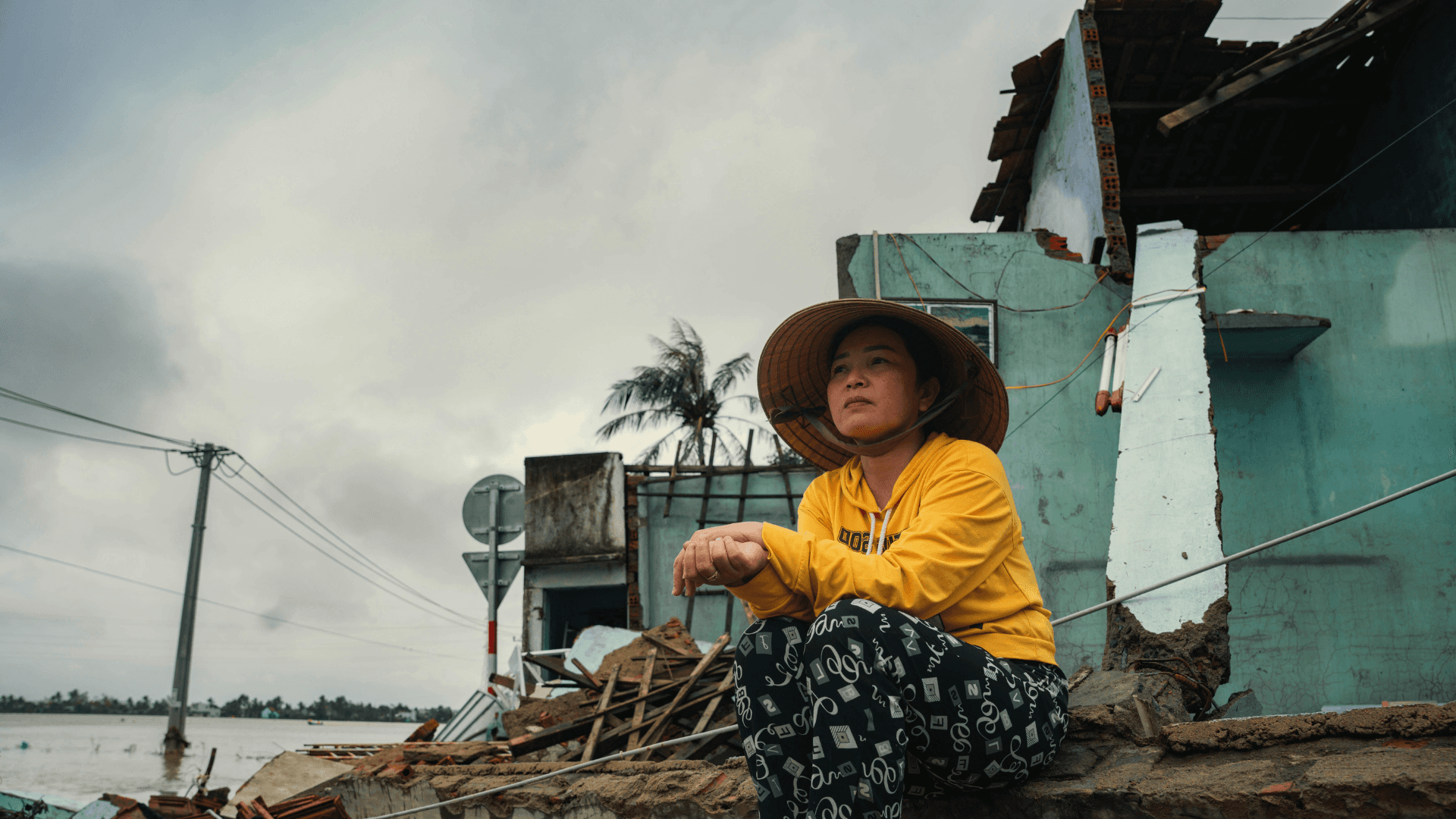
From Local
Insights to Strategic
Policy ChangeBy amplifying local voices and leveraging strategic alliances,
we transform deep insights into fair
and lasting climate impact.SHAPING A FAIR
& SUSTAINABLE
FUTURE.We believe a thriving future is possible
when everyone works together to protect people
and the planet.Co-Creating
Just and Sustainable
Climate Solution.As a strategic point of convergence, MADANI fosters
dialogue and mobilizes evidence-based collective action
rooted in local realities to create tangible global impact.Building Climate
Resilience Through
Collective ActionWe connect diverse stakeholders, to co-createinclusive,
sustainable and measurable climate solutions that build
resilience from the ground up.From Local
Insights to Strategic
Policy ChangeBy amplifying local voices and leveraging strategic alliances,
we transform deep insights into fair
and lasting climate impact.SHAPING A FAIR
& SUSTAINABLE
FUTURE.We believe a thriving future is possible
when everyone works together to protect people
and the planet.Co-Creating
Just and Sustainable
Climate Solution.As a strategic point of convergence, MADANI fosters
dialogue and mobilizes evidence-based collective action
rooted in local realities to create tangible global impact.Building Climate
Resilience Through
Collective ActionWe connect diverse stakeholders, to co-createinclusive,
sustainable and measurable climate solutions that build
resilience from the ground up.From Local
Insights to Strategic
Policy ChangeBy amplifying local voices and leveraging strategic alliances,
we transform deep insights into fair
and lasting climate impact.SHAPING A FAIR
& SUSTAINABLE
FUTURE.We believe a thriving future is possible
when everyone works together to protect people
and the planet.Co-Creating
Just and Sustainable
Climate Solution.As a strategic point of convergence, MADANI fosters
dialogue and mobilizes evidence-based collective action
rooted in local realities to create tangible global impact.Building Climate
Resilience Through
Collective ActionWe connect diverse stakeholders, to co-createinclusive,
sustainable and measurable climate solutions that build
resilience from the ground up.From Local
Insights to Strategic
Policy ChangeBy amplifying local voices and leveraging strategic alliances,
we transform deep insights into fair
and lasting climate impact.SHAPING A FAIR
& SUSTAINABLE
FUTURE.We believe a thriving future is possible
when everyone works together to protect people
and the planet.
Co-Creating Just and Sustainable Climate Solutions
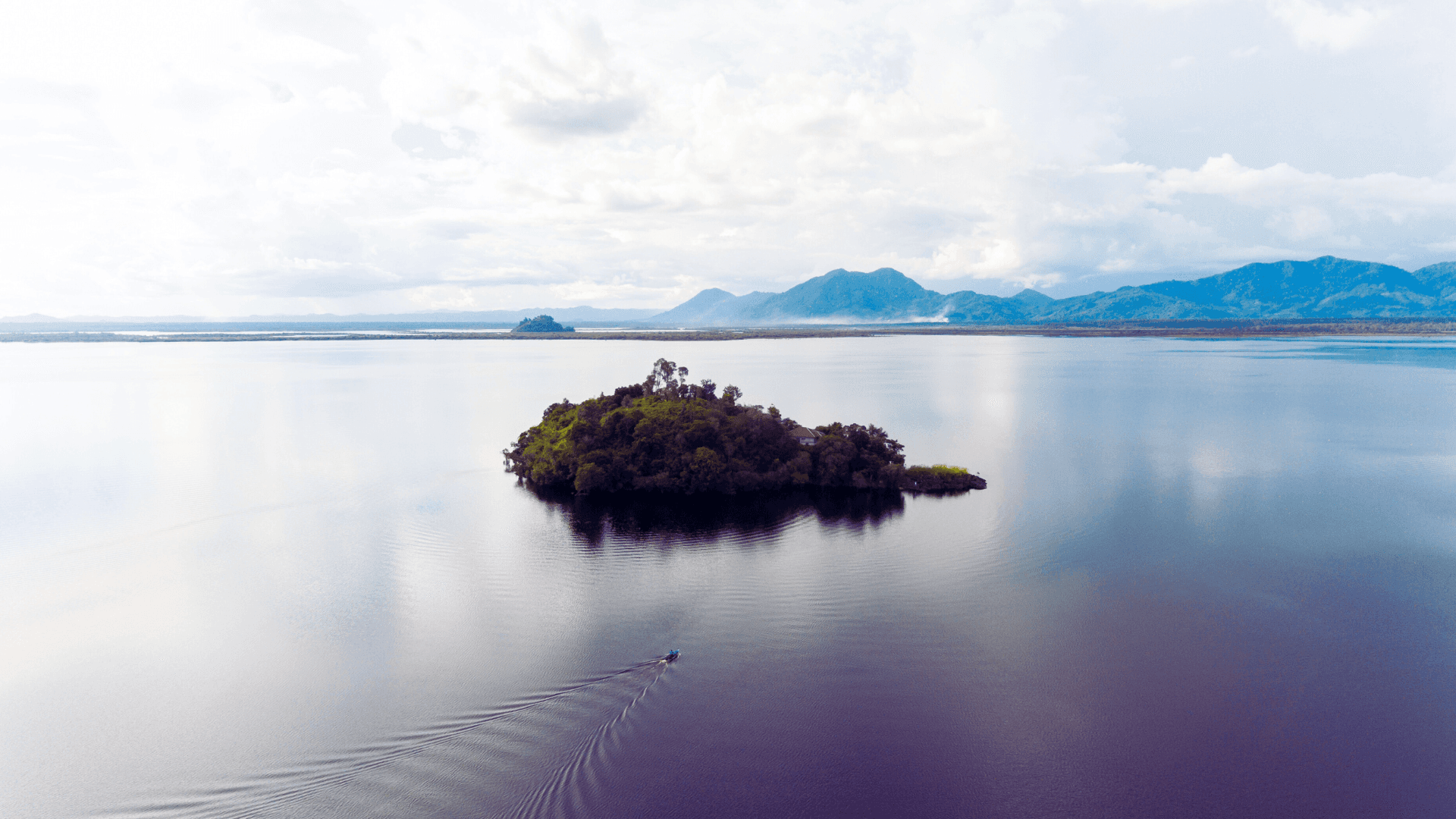
As a strategic point of convergence, MADANI fosters dialogue and mobilizes evidence-based collective action rooted in local realities to create tangible global impact.
Building Climate Resilience Through Collective Action
We connect diverse stakeholders, to co-createinclusive, sustainable and measurable climate solutions that build resilience from the ground up.

From Local Insights to Strategic Policy Change
By amplifying local voices and leveraging strategic
alliances, we transform deep insights
into fair and lasting climate impact.Co-Creating Just and Sustainable Climate Solutions
As a strategic point of convergence, MADANI fosters dialogue and mobilizes evidence-based collective action rooted in local realities to create tangible global impact.
Building Climate Resilience Through Collective Action
We connect diverse stakeholders, to co-createinclusive, sustainable and measurable climate solutions that build resilience from the ground up.
From Local Insights to Strategic Policy Change
By amplifying local voices and leveraging strategic
alliances, we transform deep insights
into fair and lasting climate impact.Co-Creating Just and Sustainable Climate Solutions
As a strategic point of convergence, MADANI fosters dialogue and mobilizes evidence-based collective action rooted in local realities to create tangible global impact.
Building Climate Resilience Through Collective Action
We connect diverse stakeholders, to co-createinclusive, sustainable and measurable climate solutions that build resilience from the ground up.
From Local Insights to Strategic Policy Change
By amplifying local voices and leveraging strategic
alliances, we transform deep insights
into fair and lasting climate impact.Co-Creating Just and Sustainable Climate Solutions
As a strategic point of convergence, MADANI fosters dialogue and mobilizes evidence-based collective action rooted in local realities to create tangible global impact.
Building Climate Resilience Through Collective Action
We connect diverse stakeholders, to co-createinclusive, sustainable and measurable climate solutions that build resilience from the ground up.
From Local Insights to Strategic Policy Change
By amplifying local voices and leveraging strategic
alliances, we transform deep insights
into fair and lasting climate impact.
Co-Creating Just and Sustainable Climate Solutions
As a strategic point of convergence, MADANI fosters dialogue and mobilizes evidence-based collective action rooted in local realities to create tangible global impact.
Building Climate Resilience Through Collective Action
We connect diverse stakeholders, to co-createinclusive, sustainable and measurable climate solutions that build resilience from the ground up.
From Local Insights to Strategic Policy Change
By amplifying local voices and leveraging strategic
alliances, we transform deep insights
into fair and lasting climate impact.Co-Creating Just and Sustainable Climate Solutions
As a strategic point of convergence, MADANI fosters dialogue and mobilizes evidence-based collective action rooted in local realities to create tangible global impact.
Building Climate Resilience Through Collective Action
We connect diverse stakeholders, to co-createinclusive, sustainable and measurable climate solutions that build resilience from the ground up.
From Local Insights to Strategic Policy Change
By amplifying local voices and leveraging strategic
alliances, we transform deep insights
into fair and lasting climate impact.Co-Creating Just and Sustainable Climate Solutions
As a strategic point of convergence, MADANI fosters dialogue and mobilizes evidence-based collective action rooted in local realities to create tangible global impact.
Building Climate Resilience Through Collective Action
We connect diverse stakeholders, to co-createinclusive, sustainable and measurable climate solutions that build resilience from the ground up.
From Local Insights to Strategic Policy Change
By amplifying local voices and leveraging strategic
alliances, we transform deep insights
into fair and lasting climate impact.Co-Creating Just and Sustainable Climate Solutions
As a strategic point of convergence, MADANI fosters dialogue and mobilizes evidence-based collective action rooted in local realities to create tangible global impact.
Building Climate Resilience Through Collective Action
We connect diverse stakeholders, to co-createinclusive, sustainable and measurable climate solutions that build resilience from the ground up.
From Local Insights to Strategic Policy Change
By amplifying local voices and leveraging strategic
alliances, we transform deep insights
into fair and lasting climate impact.
Latest News
Changing
The Climate Future
With
We initiate dialogue, activate ideas into action, innovate with evidence, and advocate for policy change to secure a just and sustainable future.
Changing
The Climate Future
With
We initiate dialogue, activate ideas into action, innovate with evidence, and advocate for policy change to secure a just and sustainable future.
Changing
The Climate Future
With
We initiate dialogue, activate ideas into action, innovate with evidence, and advocate for policy change to secure a just and sustainable future.
- 174.500
Rising Crisis, Fragmented Response
The IPCC warns global temperatures could surpass 1.5°C within the next two decades, intensifying climate risks worldwide. Meanwhile, climate impacts threaten to push over 130 million people into poverty by 2030.
Despite this urgency, solutions from communities, innovators, and policymakers remain disconnected and fragmented limiting their ability to shape fair, effective, and scalable climate action.
Barriers in
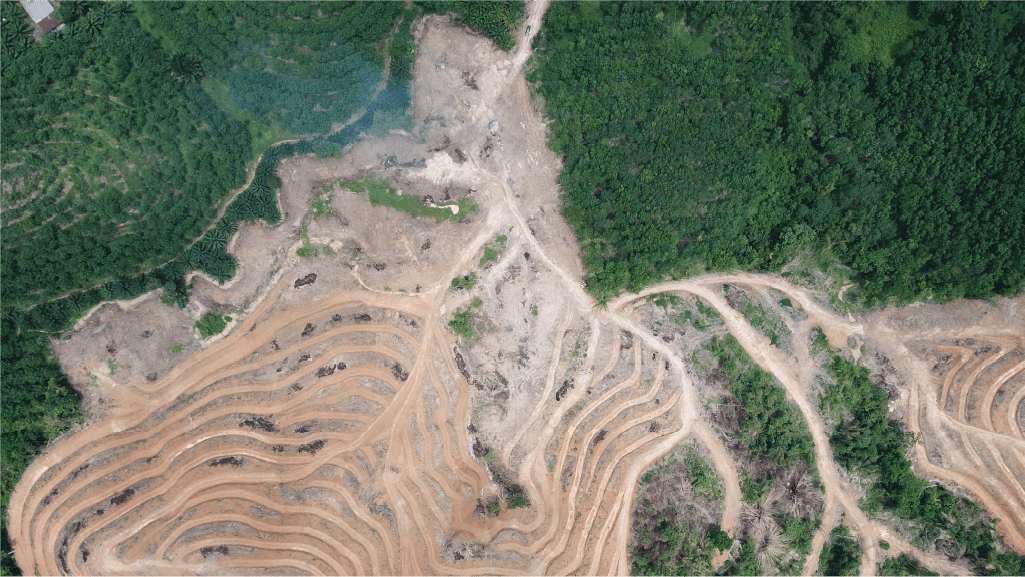
Data and CollaborationEffective climate action requires collaboration across sectors, yet in practice it remains limited and informal. One major barrier is data fragmentation—climate, environmental, and socio-economic data are scattered across institutions, difficult to access, and often incompatible.
In many contexts, including Indonesia, the absence of an integrated climate data system limits access to credible, locally relevant evidence. As a result, decisions are frequently made based on partial data, while community knowledge and proven local solutions struggle to inform policy and investment at scale.
Marginalized
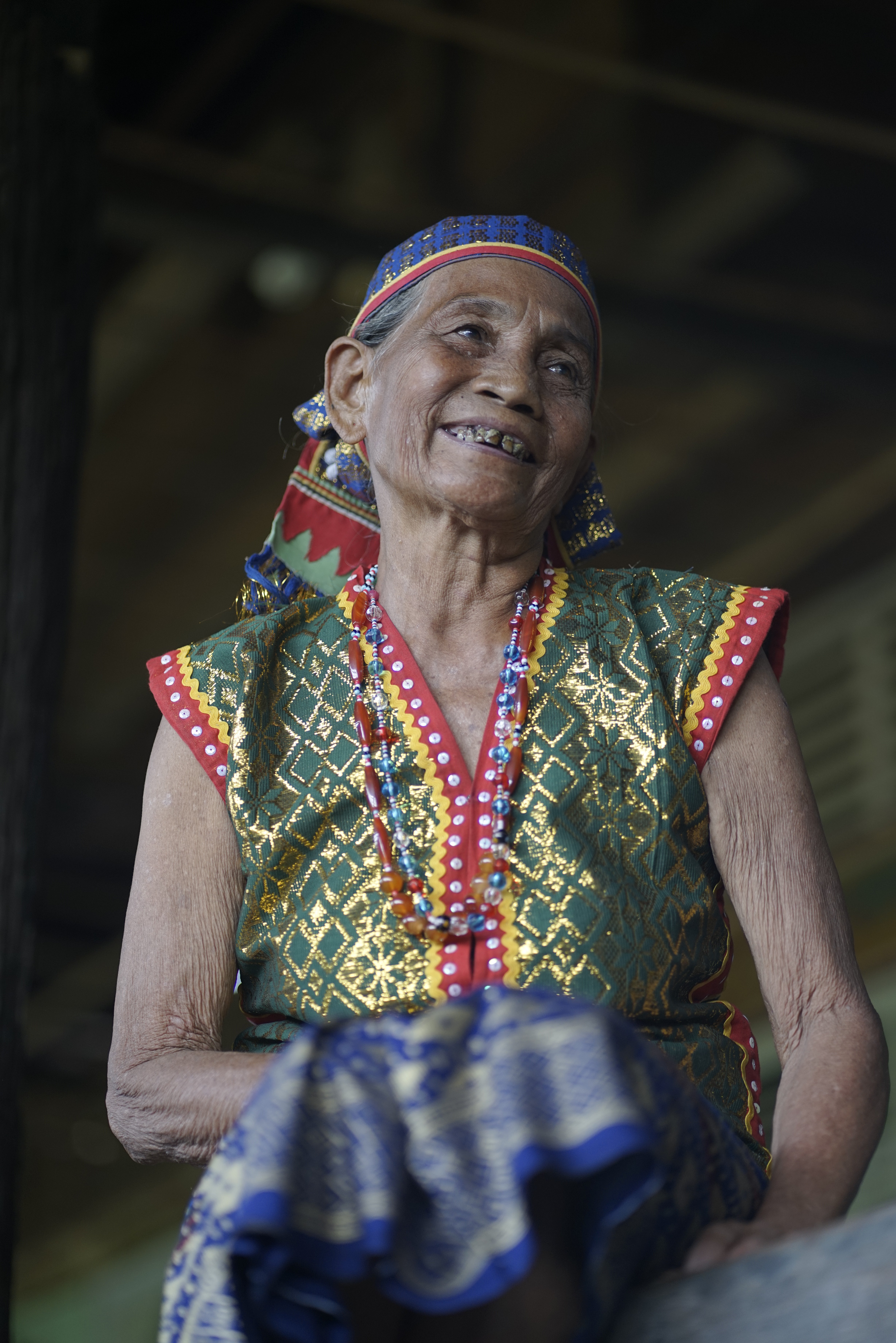
Local Voices.Despite the growing urgency of the climate crisis, dialogue platforms remain ineffective in bridging community knowledge with national policymaking processes. The UNEP Emissions Gap Report 2023 indicates that the world is still on track toward 2.5–2.9°C of warming by the end of the century, reflecting a persistent gap between global commitments and local implementation.
At the same time, the UNDP People’s Climate Vote 2024 finds that over 80% of people globally support stronger climate action. Public mandate exists, yet it is not systematically connected to decision-making processes. What is needed is not merely more forums or campaigns, but mechanisms capable of translating local voices into credible evidence, compelling narratives, and actionable policy
- 174.500
Rising Crisis, Fragmented Response
The IPCC warns global temperatures could surpass 1.5°C within the next two decades, intensifying climate risks worldwide. Meanwhile, climate impacts threaten to push over 130 million people into poverty by 2030.
Despite this urgency, solutions from communities, innovators, and policymakers remain disconnected and fragmented limiting their ability to shape fair, effective, and scalable climate action.
Barriers in
Data and CollaborationEffective climate action requires collaboration across sectors, yet in practice it remains limited and informal. One major barrier is data fragmentation—climate, environmental, and socio-economic data are scattered across institutions, difficult to access, and often incompatible.
In many contexts, including Indonesia, the absence of an integrated climate data system limits access to credible, locally relevant evidence. As a result, decisions are frequently made based on partial data, while community knowledge and proven local solutions struggle to inform policy and investment at scale.
Marginalized
Local Voices.Despite the growing urgency of the climate crisis, dialogue platforms remain ineffective in bridging community knowledge with national policymaking processes. The UNEP Emissions Gap Report 2023 indicates that the world is still on track toward 2.5–2.9°C of warming by the end of the century, reflecting a persistent gap between global commitments and local implementation.
At the same time, the UNDP People’s Climate Vote 2024 finds that over 80% of people globally support stronger climate action. Public mandate exists, yet it is not systematically connected to decision-making processes. What is needed is not merely more forums or campaigns, but mechanisms capable of translating local voices into credible evidence, compelling narratives, and actionable policy
- 174.500
Rising Crisis, Fragmented Response
The IPCC warns global temperatures could surpass 1.5°C within the next two decades, intensifying climate risks worldwide. Meanwhile, climate impacts threaten to push over 130 million people into poverty by 2030.
Despite this urgency, solutions from communities, innovators, and policymakers remain disconnected and fragmented limiting their ability to shape fair, effective, and scalable climate action.
Barriers in
Data and CollaborationEffective climate action requires collaboration across sectors, yet in practice it remains limited and informal. One major barrier is data fragmentation—climate, environmental, and socio-economic data are scattered across institutions, difficult to access, and often incompatible.
In many contexts, including Indonesia, the absence of an integrated climate data system limits access to credible, locally relevant evidence. As a result, decisions are frequently made based on partial data, while community knowledge and proven local solutions struggle to inform policy and investment at scale.
Marginalized
Local Voices.Despite the growing urgency of the climate crisis, dialogue platforms remain ineffective in bridging community knowledge with national policymaking processes. The UNEP Emissions Gap Report 2023 indicates that the world is still on track toward 2.5–2.9°C of warming by the end of the century, reflecting a persistent gap between global commitments and local implementation.
At the same time, the UNDP People’s Climate Vote 2024 finds that over 80% of people globally support stronger climate action. Public mandate exists, yet it is not systematically connected to decision-making processes. What is needed is not merely more forums or campaigns, but mechanisms capable of translating local voices into credible evidence, compelling narratives, and actionable policy
- 174.500
Rising Crisis, Fragmented Response
The IPCC warns global temperatures could surpass 1.5°C within the next two decades, intensifying climate risks worldwide. Meanwhile, climate impacts threaten to push over 130 million people into poverty by 2030.
Despite this urgency, solutions from communities, innovators, and policymakers remain disconnected and fragmented limiting their ability to shape fair, effective, and scalable climate action.
Barriers in
Data and CollaborationEffective climate action requires collaboration across sectors, yet in practice it remains limited and informal. One major barrier is data fragmentation—climate, environmental, and socio-economic data are scattered across institutions, difficult to access, and often incompatible.
In many contexts, including Indonesia, the absence of an integrated climate data system limits access to credible, locally relevant evidence. As a result, decisions are frequently made based on partial data, while community knowledge and proven local solutions struggle to inform policy and investment at scale.
Marginalized
Local Voices.Despite the growing urgency of the climate crisis, dialogue platforms remain ineffective in bridging community knowledge with national policymaking processes. The UNEP Emissions Gap Report 2023 indicates that the world is still on track toward 2.5–2.9°C of warming by the end of the century, reflecting a persistent gap between global commitments and local implementation.
At the same time, the UNDP People’s Climate Vote 2024 finds that over 80% of people globally support stronger climate action. Public mandate exists, yet it is not systematically connected to decision-making processes. What is needed is not merely more forums or campaigns, but mechanisms capable of translating local voices into credible evidence, compelling narratives, and actionable policy
THE NEEDS
- 174.500
Rising Crisis,
Fragmented Response.
The IPCC warns global temperatures could surpass 1.5°C within the next two decades, intensifying climate risks worldwide. Meanwhile, climate impacts threaten to push over 130 million people into poverty by 2030.
Despite this urgency, solutions from communities, innovators, and policymakers remain disconnected and fragmented limiting their ability to shape fair, effective, and scalable climate action.
THE NEEDS
Barriers in Data and Collaboration
Effective climate action requires collaboration across sectors, yet in practice it remains limited and informal. One major barrier is data fragmentation—climate, environmental, and socio-economic data are scattered across institutions, difficult to access, and often incompatible.
In many contexts, including Indonesia, the absence of an integrated climate data system limits access to credible, locally relevant evidence. As a result, decisions are frequently made based on partial data, while community knowledge and proven local solutions struggle to inform policy and investment at scale.
THE NEEDS
Marginalized Local Voices.
Despite the growing urgency of the climate crisis, dialogue platforms remain ineffective in bridging community knowledge with national policymaking processes. The UNEP Emissions Gap Report 2023 indicates that the world is still on track toward 2.5–2.9°C of warming by the end of the century, reflecting a persistent gap between global commitments and local implementation.
At the same time, the UNDP People’s Climate Vote 2024 finds that over 80% of people globally support stronger climate action. Public mandate exists, yet it is not systematically connected to decision-making processes. What is needed is not merely more forums or campaigns, but mechanisms capable of translating local voices into credible evidence, compelling narratives, and actionable policy
THE NEEDS
- 174.500
Rising Crisis,
Fragmented Response.
The IPCC warns global temperatures could surpass 1.5°C within the next two decades, intensifying climate risks worldwide. Meanwhile, climate impacts threaten to push over 130 million people into poverty by 2030.
Despite this urgency, solutions from communities, innovators, and policymakers remain disconnected and fragmented limiting their ability to shape fair, effective, and scalable climate action.
THE NEEDS
Barriers in Data and Collaboration
Effective climate action requires collaboration across sectors, yet in practice it remains limited and informal. One major barrier is data fragmentation—climate, environmental, and socio-economic data are scattered across institutions, difficult to access, and often incompatible.
In many contexts, including Indonesia, the absence of an integrated climate data system limits access to credible, locally relevant evidence. As a result, decisions are frequently made based on partial data, while community knowledge and proven local solutions struggle to inform policy and investment at scale.
THE NEEDS
Marginalized Local Voices.
Despite the growing urgency of the climate crisis, dialogue platforms remain ineffective in bridging community knowledge with national policymaking processes. The UNEP Emissions Gap Report 2023 indicates that the world is still on track toward 2.5–2.9°C of warming by the end of the century, reflecting a persistent gap between global commitments and local implementation.
At the same time, the UNDP People’s Climate Vote 2024 finds that over 80% of people globally support stronger climate action. Public mandate exists, yet it is not systematically connected to decision-making processes. What is needed is not merely more forums or campaigns, but mechanisms capable of translating local voices into credible evidence, compelling narratives, and actionable policy
THE NEEDS
- 174.500
Rising Crisis,
Fragmented Response.
The IPCC warns global temperatures could surpass 1.5°C within the next two decades, intensifying climate risks worldwide. Meanwhile, climate impacts threaten to push over 130 million people into poverty by 2030.
Despite this urgency, solutions from communities, innovators, and policymakers remain disconnected and fragmented limiting their ability to shape fair, effective, and scalable climate action.
THE NEEDS
Barriers in Data and Collaboration
Effective climate action requires collaboration across sectors, yet in practice it remains limited and informal. One major barrier is data fragmentation—climate, environmental, and socio-economic data are scattered across institutions, difficult to access, and often incompatible.
In many contexts, including Indonesia, the absence of an integrated climate data system limits access to credible, locally relevant evidence. As a result, decisions are frequently made based on partial data, while community knowledge and proven local solutions struggle to inform policy and investment at scale.
THE NEEDS
Marginalized Local Voices.
Despite the growing urgency of the climate crisis, dialogue platforms remain ineffective in bridging community knowledge with national policymaking processes. The UNEP Emissions Gap Report 2023 indicates that the world is still on track toward 2.5–2.9°C of warming by the end of the century, reflecting a persistent gap between global commitments and local implementation.
At the same time, the UNDP People’s Climate Vote 2024 finds that over 80% of people globally support stronger climate action. Public mandate exists, yet it is not systematically connected to decision-making processes. What is needed is not merely more forums or campaigns, but mechanisms capable of translating local voices into credible evidence, compelling narratives, and actionable policy
THE NEEDS
- 174.500
Rising Crisis,
Fragmented Response.
The IPCC warns global temperatures could surpass 1.5°C within the next two decades, intensifying climate risks worldwide. Meanwhile, climate impacts threaten to push over 130 million people into poverty by 2030.
Despite this urgency, solutions from communities, innovators, and policymakers remain disconnected and fragmented limiting their ability to shape fair, effective, and scalable climate action.
THE NEEDS
Barriers in Data and Collaboration
Effective climate action requires collaboration across sectors, yet in practice it remains limited and informal. One major barrier is data fragmentation—climate, environmental, and socio-economic data are scattered across institutions, difficult to access, and often incompatible.
In many contexts, including Indonesia, the absence of an integrated climate data system limits access to credible, locally relevant evidence. As a result, decisions are frequently made based on partial data, while community knowledge and proven local solutions struggle to inform policy and investment at scale.
THE NEEDS
Marginalized Local Voices.
Despite the growing urgency of the climate crisis, dialogue platforms remain ineffective in bridging community knowledge with national policymaking processes. The UNEP Emissions Gap Report 2023 indicates that the world is still on track toward 2.5–2.9°C of warming by the end of the century, reflecting a persistent gap between global commitments and local implementation.
At the same time, the UNDP People’s Climate Vote 2024 finds that over 80% of people globally support stronger climate action. Public mandate exists, yet it is not systematically connected to decision-making processes. What is needed is not merely more forums or campaigns, but mechanisms capable of translating local voices into credible evidence, compelling narratives, and actionable policy
THE NEEDS
OUR RESPONS
Turning Fragmentation
into Collective
Power.
We directly address the gaps in the climate response by uniting local voices, innovators, and policymakers. We lead cross-sector collective action together with governments, private sector, Indigenous Peoples, local communities, and civil society to deliver inclusive, measurable, and locally-rooted climate solutions.

OUR RESPONS
Turning Fragmentation
into Collective
Power.
We directly address the gaps in the climate response by uniting local voices, innovators, and policymakers. We lead cross-sector collective action together with governments, private sector, Indigenous Peoples, local communities, and civil society to deliver inclusive, measurable, and locally-rooted climate solutions.
OUR RESPONS
Turning Fragmentation
into Collective
Power.
We directly address the gaps in the climate response by uniting local voices, innovators, and policymakers. We lead cross-sector collective action together with governments, private sector, Indigenous Peoples, local communities, and civil society to deliver inclusive, measurable, and locally-rooted climate solutions.
OUR Growing Footprint
SINCE 2016, MADANI DRIVING CLIMATE AND FOREST JUSTICE IN INDONESIA
Shaping fair policies, strengthening collective action, and delivering trusted data to protect forests and communities.
Multistakeholder Platform & Coalition
Research Publications & Analytical Tools
Local Communities & Goverment Supported
Media Quotes
Social Media Outreach
OUR Growing Footprint
SINCE 2016, MADANI DRIVING
CLIMATE AND FOREST JUSTICE IN
INDONESIA
Shaping fair policies, strengthening collective action, and delivering trusted data to protect forests and communities.
Multistakeholder Platform & Coalition
Research Publications & Analytical Tools
Local Communities & Goverment Supported
Media Quotes
Social Media Outreach
OUR Growing Footprint
SINCE 2016, MADANI DRIVING
CLIMATE AND FOREST JUSTICE IN
INDONESIA
Shaping fair policies, strengthening collective action, and delivering trusted data to protect forests and communities.
Multistakeholder Platform & Coalition
Research Publications & Analytical Tools
Local Communities & Goverment Supported
Media Quotes
Social Media Outreach
OUR PROGRAMS
Four core workstreams enable Indonesia’s climate justice.
Climate and Ecosystem

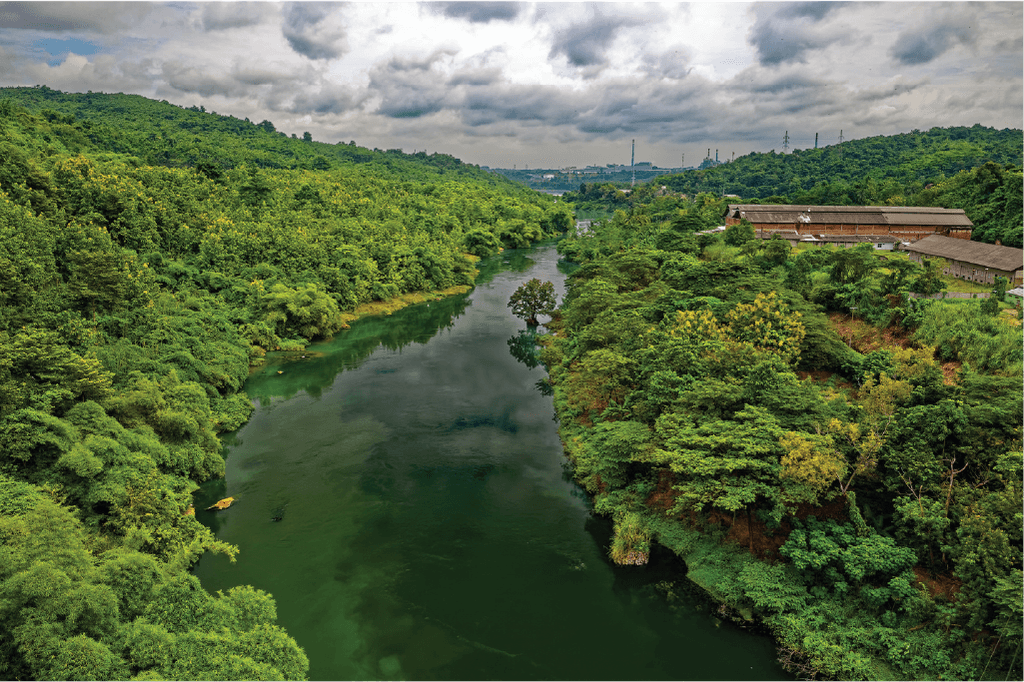
Climate and Ecosystem
Safeguarding the world’s carbon sinks by strengthening forest and ecosystem governance while upholding Indigenous rights as the core foundation for nature protection, climate adaptation and mitigation.
Sustainable Agriculture

Community-Based Energy Transition
Green Development

0
1
Climate and Ecosystem
0
2
Green Development
0
3
Sustainable Agriculture
0
4
Community-Based Energy Transition
OUR PROGRAMS
Four core workstreams enable Indonesia’s climate justice.
Climate and Ecosystem
Climate and Ecosystem
Safeguarding the world’s carbon sinks by strengthening forest and ecosystem governance while upholding Indigenous rights as the core foundation for nature protection, climate adaptation and mitigation.
Sustainable Agriculture
Community-Based Energy Transition
Green Development
0
1
Climate and Ecosystem
Climate and Ecosystem
Safeguarding the world’s carbon sinks by strengthening forest and ecosystem governance while upholding Indigenous rights as the core foundation for nature protection, climate adaptation and mitigation.
0
2
Green Development
0
3
Sustainable Agriculture
0
4
Community-Based Energy Transition
OUR PROGRAMS
Four core workstreams enable Indonesia’s climate justice.
Climate and Ecosystem
Climate and Ecosystem
Safeguarding the world’s carbon sinks by strengthening forest and ecosystem governance while upholding Indigenous rights as the core foundation for nature protection, climate adaptation and mitigation.
Sustainable Agriculture
Community-Based Energy Transition
Green Development
0
1
Climate and Ecosystem
Climate and Ecosystem
Safeguarding the world’s carbon sinks by strengthening forest and ecosystem governance while upholding Indigenous rights as the core foundation for nature protection, climate adaptation and mitigation.
0
2
Green Development
0
3
Sustainable Agriculture
0
4
Community-Based Energy Transition
LAST UPDATE
Stay up to date on sustainability.
Our latest news, field activities, insights, and press releases.
NEWS
Nov 15, 2025
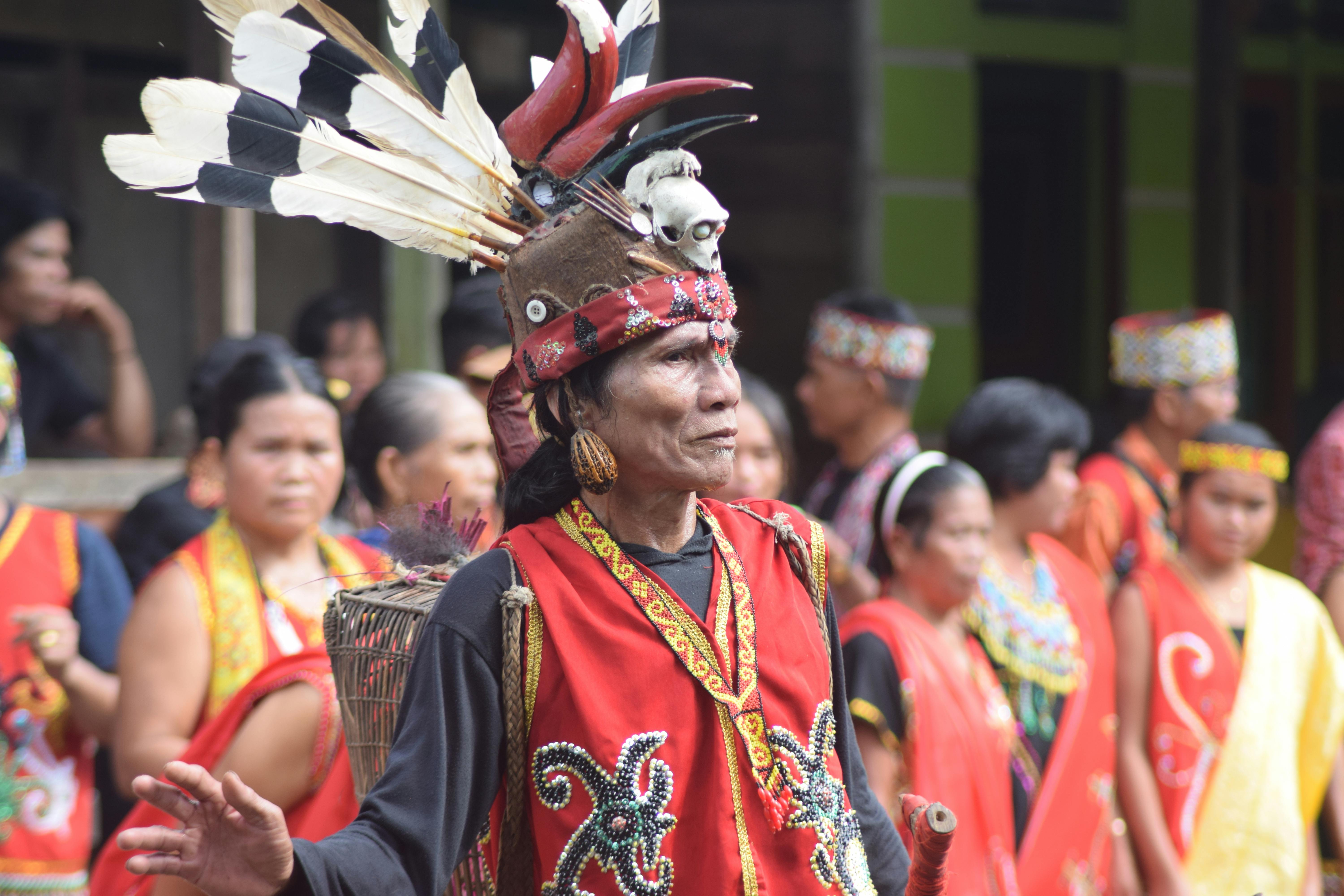
It Is Time for Direct Climate Finance for Indigenous Peoples and Local Communities
Climate finance is widely seen as overly bureaucratic and difficult for Indigenous Peoples to access, even though they are on the frontlines of the climate crisis. At COP30, civil society groups called for a shift toward direct, rights-based, and trust-based funding mechanisms.
Read More
Read More

NEWS
Nov 14, 2025
Indonesia Is Not Yet Ready to Sell Carbon Credits If It Has Not Fully Committed to Reducing Emissions
Civil society groups argue that Indonesia’s emission reduction target in its Second NDC remains “critically insufficient,” meaning the country is not yet in a position to sell international carbon credits
Read More
Read More
NEWS
Nov 7, 2025
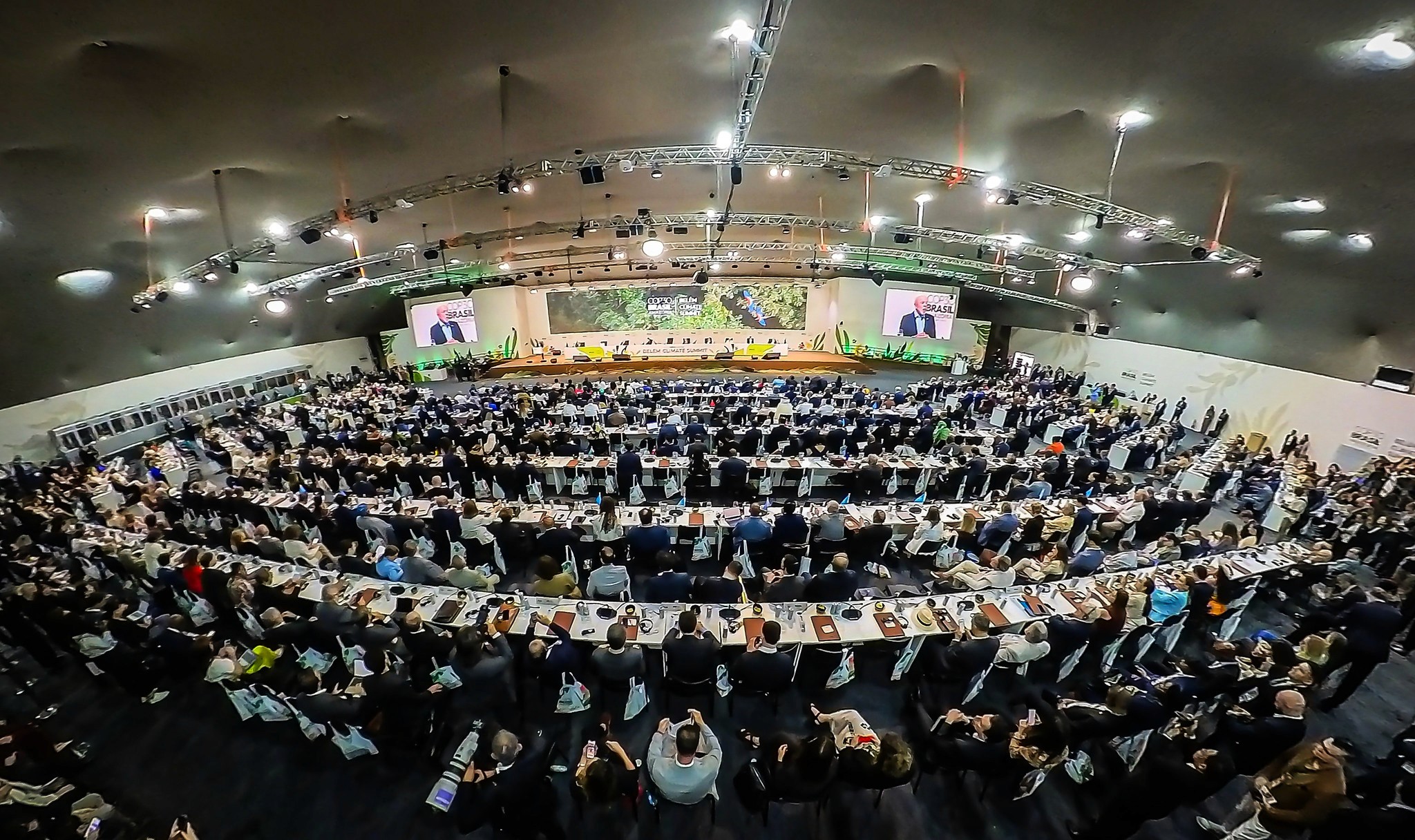
COP30 Summit: Indonesia Must Undertake Fundamental Changes to Reap the Benefits of Climate Finance
Civil society coalitions argue that Indonesia must undertake fundamental reforms to ensure that climate finance is truly just and reaches Indigenous Peoples and forest-dependent communities, rather than reinforcing extractive industries and deforestation.
Read More
Read More
NEWS
Nov 15, 2025
It Is Time for Direct Climate Finance for Indigenous Peoples and Local Communities
Climate finance is widely seen as overly bureaucratic and difficult for Indigenous Peoples to access, even though they are on the frontlines of the climate crisis. At COP30, civil society groups called for a shift toward direct, rights-based, and trust-based funding mechanisms.
Read More
Read More
NEWS
Nov 14, 2025
Indonesia Is Not Yet Ready to Sell Carbon Credits If It Has Not Fully Committed to Reducing Emissions
Civil society groups argue that Indonesia’s emission reduction target in its Second NDC remains “critically insufficient,” meaning the country is not yet in a position to sell international carbon credits
Read More
Read More
NEWS
Nov 7, 2025
COP30 Summit: Indonesia Must Undertake Fundamental Changes to Reap the Benefits of Climate Finance
Civil society coalitions argue that Indonesia must undertake fundamental reforms to ensure that climate finance is truly just and reaches Indigenous Peoples and forest-dependent communities, rather than reinforcing extractive industries and deforestation.
Read More
Read More
NEWS
Nov 15, 2025
It Is Time for Direct Climate Finance for Indigenous Peoples and Local Communities
Climate finance is widely seen as overly bureaucratic and difficult for Indigenous Peoples to access, even though they are on the frontlines of the climate crisis. At COP30, civil society groups called for a shift toward direct, rights-based, and trust-based funding mechanisms.
Read More
Read More
NEWS
Nov 14, 2025
Indonesia Is Not Yet Ready to Sell Carbon Credits If It Has Not Fully Committed to Reducing Emissions
Civil society groups argue that Indonesia’s emission reduction target in its Second NDC remains “critically insufficient,” meaning the country is not yet in a position to sell international carbon credits
Read More
Read More
NEWS
Nov 7, 2025
COP30 Summit: Indonesia Must Undertake Fundamental Changes to Reap the Benefits of Climate Finance
Civil society coalitions argue that Indonesia must undertake fundamental reforms to ensure that climate finance is truly just and reaches Indigenous Peoples and forest-dependent communities, rather than reinforcing extractive industries and deforestation.
Read More
Read More
NEWS
Nov 15, 2025
It Is Time for Direct Climate Finance for Indigenous Peoples and Local Communities
Climate finance is widely seen as overly bureaucratic and difficult for Indigenous Peoples to access, even though they are on the frontlines of the climate crisis. At COP30, civil society groups called for a shift toward direct, rights-based, and trust-based funding mechanisms.
Read More
Read More
NEWS
Nov 14, 2025
Indonesia Is Not Yet Ready to Sell Carbon Credits If It Has Not Fully Committed to Reducing Emissions
Civil society groups argue that Indonesia’s emission reduction target in its Second NDC remains “critically insufficient,” meaning the country is not yet in a position to sell international carbon credits
Read More
Read More
NEWS
Nov 7, 2025
COP30 Summit: Indonesia Must Undertake Fundamental Changes to Reap the Benefits of Climate Finance
Civil society coalitions argue that Indonesia must undertake fundamental reforms to ensure that climate finance is truly just and reaches Indigenous Peoples and forest-dependent communities, rather than reinforcing extractive industries and deforestation.
Read More
Read More
LAST UPDATE
Stay up to date on sustainability.
Our latest news, field activities, insights, and press releases.
LAST UPDATE
Stay up to date on sustainability.
Our latest news, field activities, insights, and press releases.
Publications
Actionable Knowledge: Transforming Insights into Policy
Explore our strategic publications and tools that inform and shape fair, inclusive, and sustainable climate decisions.
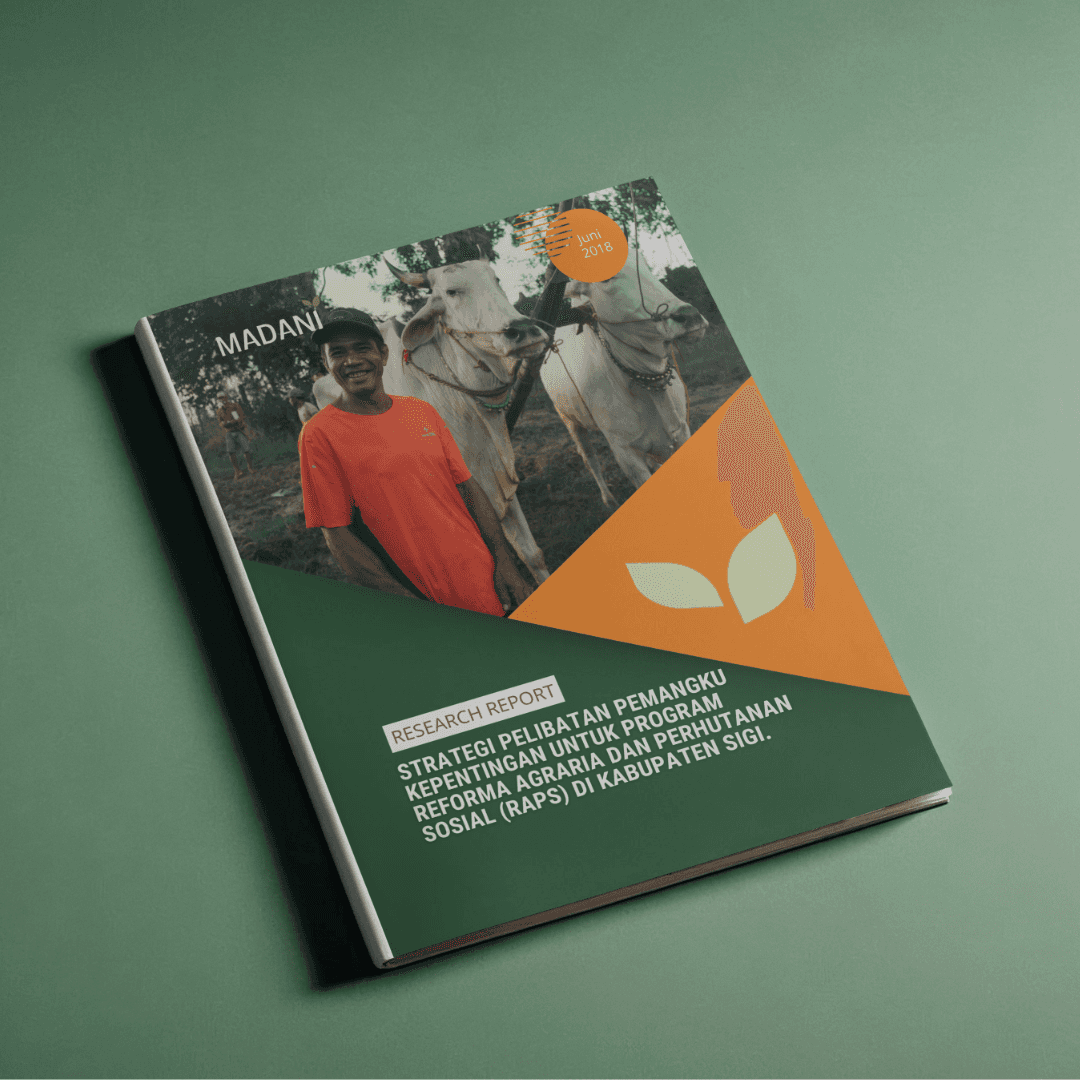
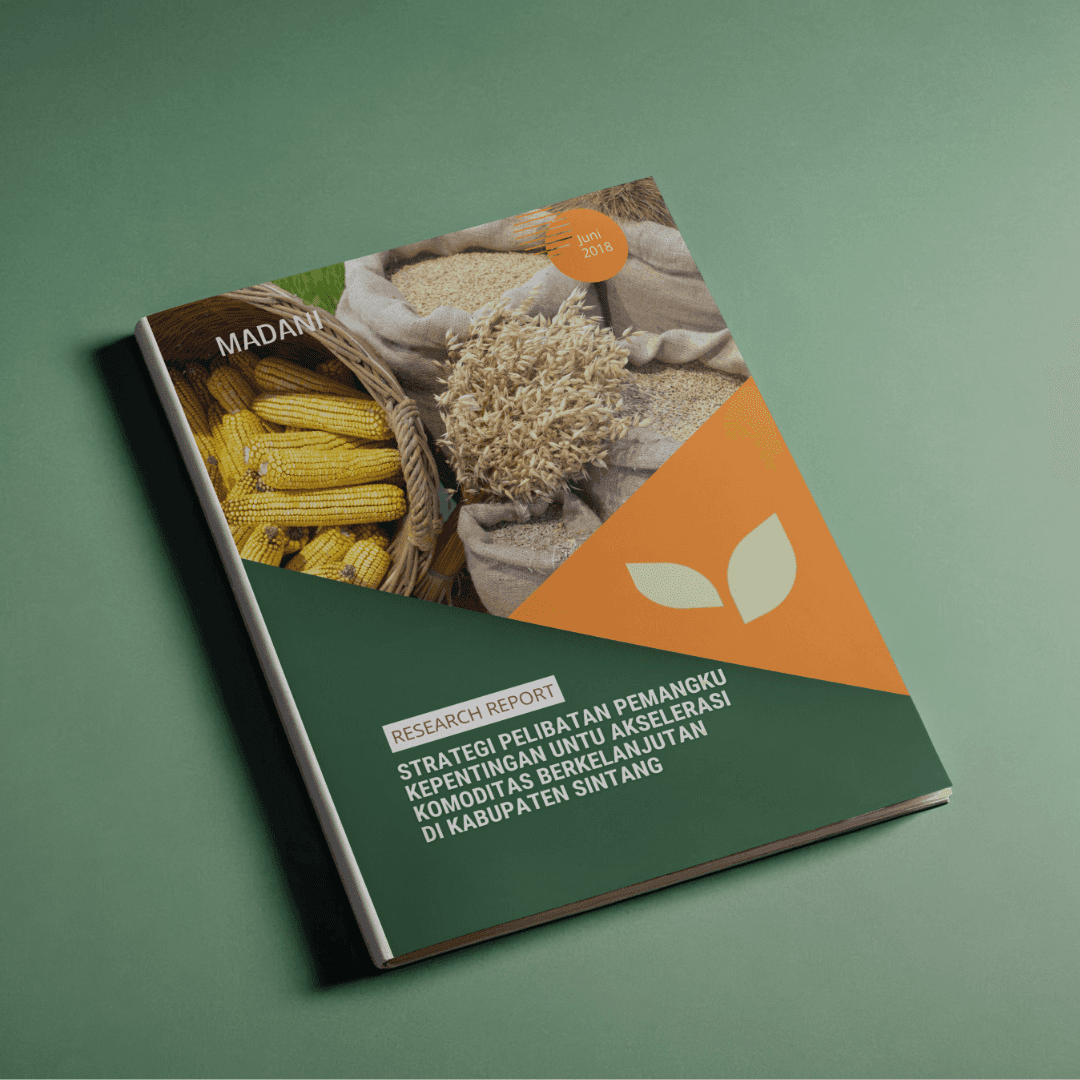
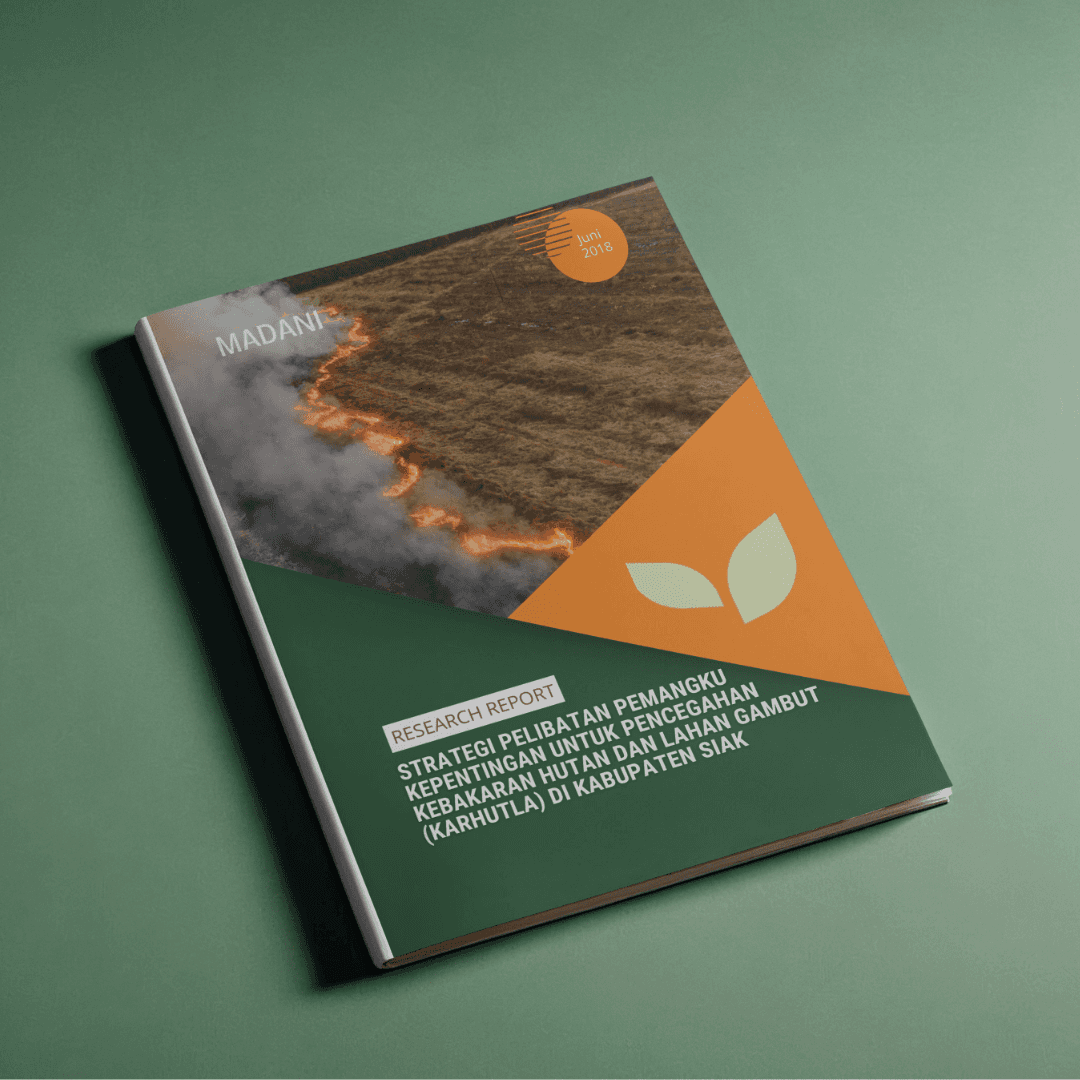
Publications
Actionable Knowledge: Transforming Insights into Policy
Explore our strategic publications and tools that inform and shape fair, inclusive, and sustainable climate decisions.
Publications
Actionable Knowledge: Transforming Insights into Policy
Explore our strategic publications and tools that inform and shape fair, inclusive, and sustainable climate decisions.

STAY CONNECTED
Follow us on social media and join us in driving meaningful change for people and the planet.
Follow us on social media and join us in driving meaningful change for people and the planet.
WHISTLEBLOWING
STAY UPDATED
Get the latest insights, stories, and updates on climate action and sustainability in Indonesia, delivered straight to your inbox.
Sign up for our monthly newsletter.
Get the latest insights, stories, and updates on climate action and sustainability in Indonesia, delivered straight to your inbox.
Sign up for our monthly newsletter.