

Objective
The Climate and Ecosystem Program aims to strengthen climate ambition and action by addressing the critical role of forests and ecosystems in tackling the climate crisis. The program focuses on improving forest and ecosystem policies and governance, while ensuring the protection and recognition of the rights of vulnerable people.
Where
Indonesia (Lokal)
Why
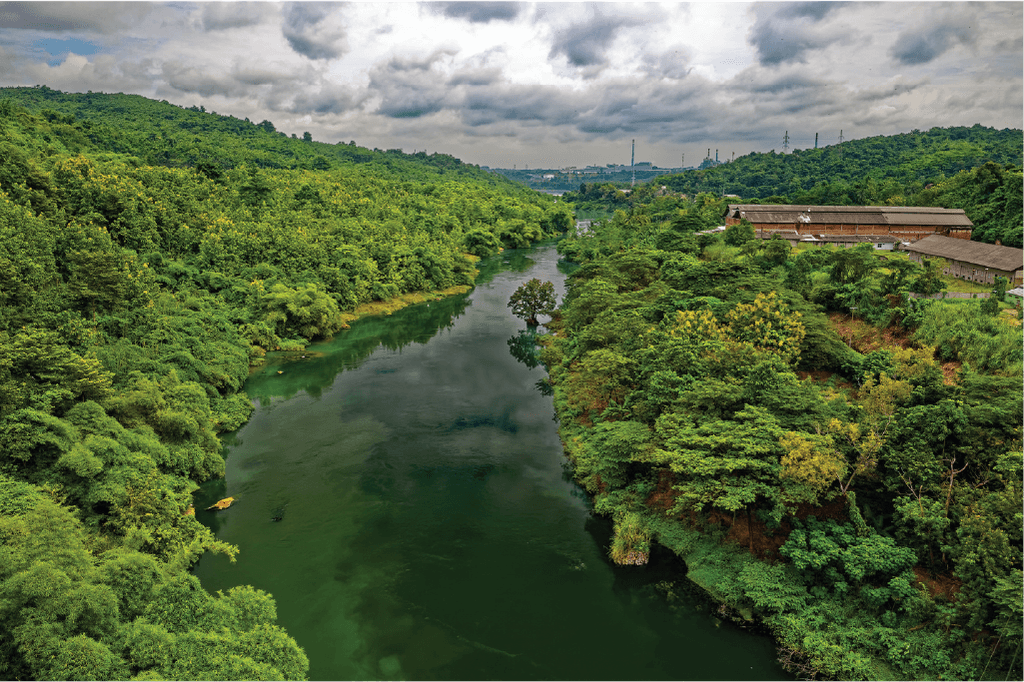
Indonesia’s tropical rainforests cover approximately 59% of the country’s land area and account for around 10% of the world’s tropical forests. With this extent, Indonesia is home to the third-largest tropical rainforest in the world(Denny Indrawanto et al., 2024). In addition to tropical rainforests, Indonesia also has essential ecosystems, such as peatlands and mangroves, which store large amounts of carbon and play a critical role in conserving biodiversity and strengthening climate resilience.
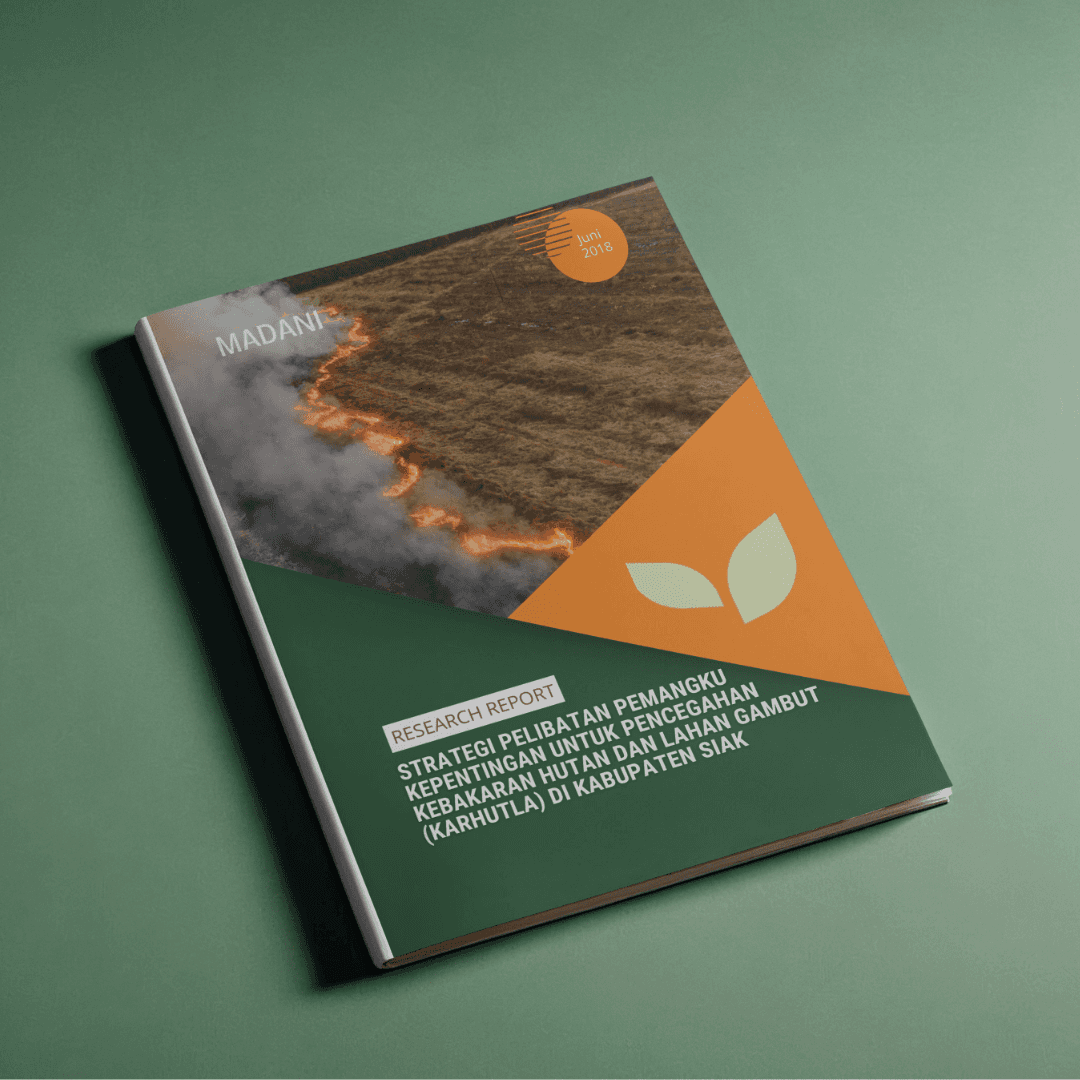
However, Indonesia’s forestry sector continues to face serious pressures. In 2024, net deforestation reached 175,400 hectares, and deforestation contributed approximately 60% of national greenhouse gas emissions (Hizkia Bryan Hulu et al., 2024). The loss of forests and the degradation of key ecosystems such as peatlands and mangroves also weaken their natural protective functions against climate impacts, including floods, droughts, forest fires, and sea-level rise. This condition demonstrates that protecting and managing forests and other key ecosystems remains a major challenge—not only for emissions reduction, but also for strengthening climate adaptation capacity.
At the same time, the impacts of the climate crisis are experienced unequally. Vulnerable groups, whose contributions to emissions are minimal, bear the greatest burden, ranging from the loss of livelihoods to increased exposure to climate-related disasters. This inequality underscores the importance of a climate justice approach that protects the rights and interests of vulnerable people.
The Climate and Ecosystem Program seeks to advance just and inclusive climate ambition and action by placing vulnerable people at the center of climate solutions. This is pursued through strengthening inclusive climate mitigation and adaptation efforts, supported by climate and ecosystem governance that balances social, economic, and environmental objectives.
How
Providing credible evidence and analysis to strengthen data- and evidence-based policy advocacy.
Strengthening ecosystem policies and governance to support sustainable and equitable climate targets and actions.
Enhancing the role of local communities and Indigenous Peoples in climate action through the integration of Climate Village and Social Forestry programs.
Facilitating multi-stakeholder collaboration to advance climate justice and inclusive ecosystem governance.
Raising public awareness and mobilizing collective action to support equitable and sustainable climate solutions.