



Objective
To ensure that Indonesia’s energy transition does not create new social and ecological injustices by protecting remaining natural forests and peatlands, strengthening the role of communities, and correcting national energy policy biases toward expansion driven, and large scale projects.
Where
Indonesia (Lokal)
Why
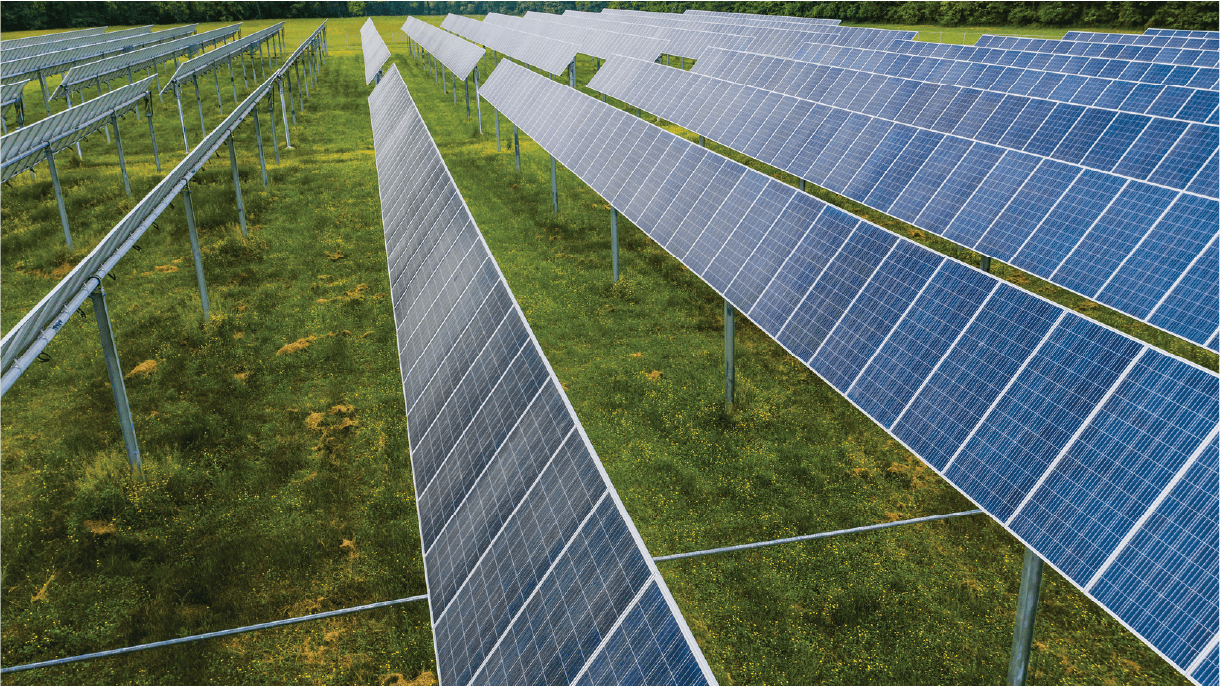
In practice, Indonesia’s energy transition is often narrowly framed as a technical shift in energy sources, without addressing the governance structures and power relations that shape it. Energy transition agendas are frequently implemented through centralized approaches, large scale projects, and land based expansion, increasing the risks of deforestation, peatland degradation, and the marginalization of local communities. Rather than delivering a just response to the climate crisis, such approaches risk reproducing long-standing social and ecological inequalities under a new “green” narrative, underscoring the need for corrective intervention to ensure that the energy transition aligns with forest and peatland protection and the rights of communities.
How
Intervening in and correcting energy transition policies that risk driving deforestation, land conversion, and large scale expansion.
Producing evidence and critical knowledge to challenge flawed assumptions in dominant national energy transition narratives.
Advancing non expansive, community-based energy transition pathways that are compatible with forest and peatland protection.