Many people assume that the climate crisis is merely about changes in weather—something that can be addressed by lowering the air conditioner temperature or avoiding the midday sun. In reality, however, there are latent dangers that are steadily eroding human life, particularly for vulnerable groups.
The escalating scale of climate change is making the planet increasingly susceptible to serious threats, ranging from more frequent and intense disasters to the spread of diseases that endanger human survival.
Between 2022 and 2026, it is projected that at least one year will see average global temperatures exceed the 1.5°C threshold above pre-industrial levels (1850–1900). This temperature rise is expected to further degrade environmental carrying capacity and shrink the living space available to human communities.
Economic Losses Caused by the Climate Crisis
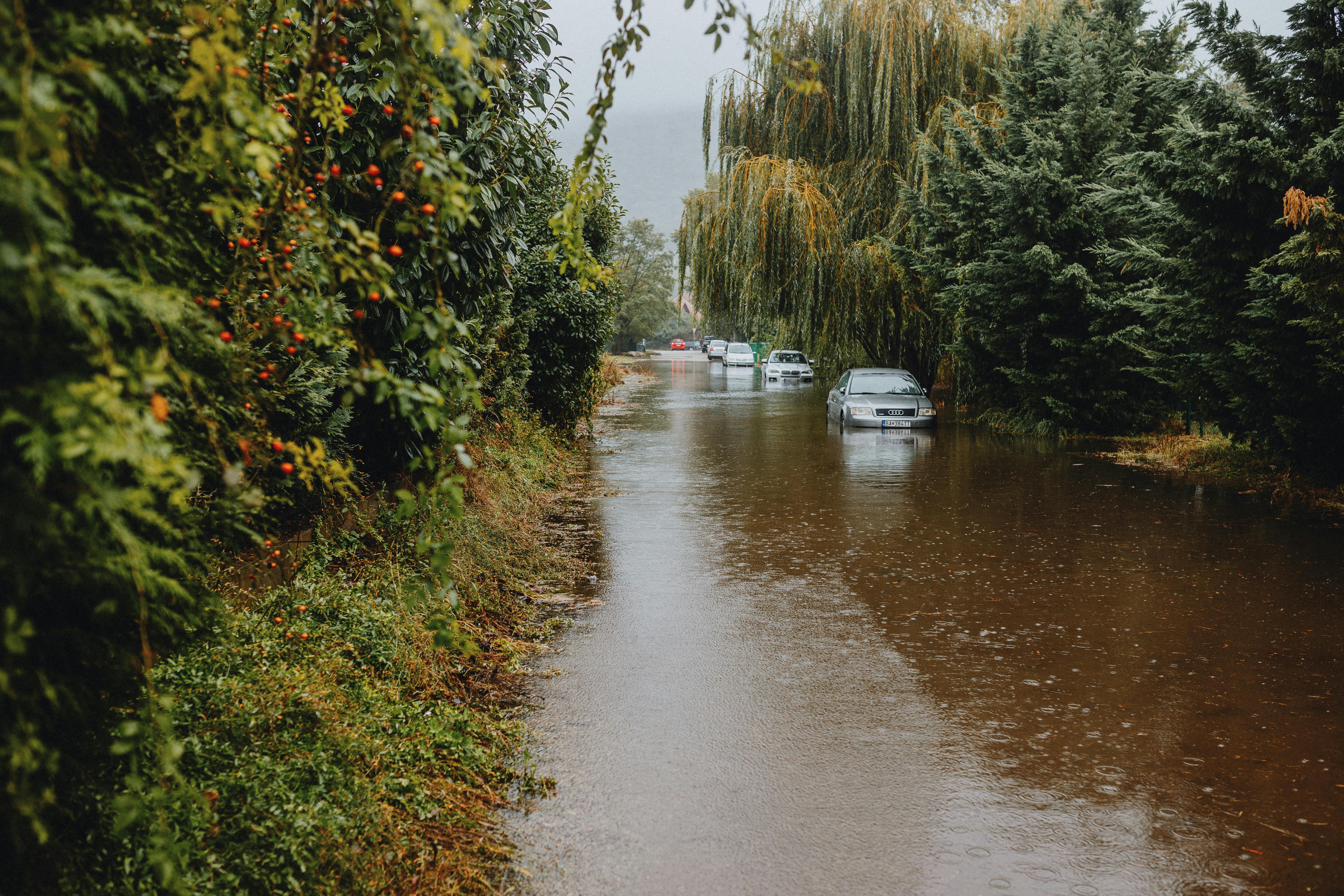
Climate change does not only have direct impacts through more frequent disasters such as floods and droughts; it also creates indirect effects, including crop failures, food insecurity, and rising poverty levels. These impacts, in turn, significantly weaken national economic performance.
According to projections by the Asian Development Bank (ADB), climate change could cause economic losses of up to 3.5 percent of Indonesia’s GDP by 2100. As an illustration, losses in the agriculture and coastal sectors alone are estimated to reach 2.2 percent of GDP by the same year (ADB, 2009). In addition, the increasing frequency of climate-induced disasters contributes an estimated 0.3 percent GDP loss (ADB, 2009).
A revised assessment under Indonesia’s National Action Plan for Climate Change Adaptation (RAN-API) shows that in 2020, economic losses across four priority sectors—marine and coastal areas, water resources, agriculture, and health—reached IDR 102.36 trillion, equivalent to approximately 0.61 percent of the 2020 GDP target. These losses are projected to rise to IDR 115.53 trillion by 2024.
Economic impact projections for 2030 estimate that losses related to the fulfillment of basic needs could reach 0.66 to 3.45 percent of national GDP, with an average impact of 2.87 percent of GDP. This analysis includes losses from climate-related disasters such as disease outbreaks following floods, landslides, and droughts, as well as agricultural losses caused by flooding.
The sustainability of essential sectors is highly dependent on ecosystem stability. Disasters that disrupt ecosystem services can trigger significant economic losses. When combined with ecosystem degradation and disaster impacts, total potential economic losses are estimated to reach IDR 4,328.38 trillion.
Shocks to Social Stability
The climate crisis not only causes economic losses but also exacerbates social inequality. Disruptions to farmers’ and fishers’ productivity drive up food prices, contributing to inflation, reduced GDP growth, and rising poverty levels.
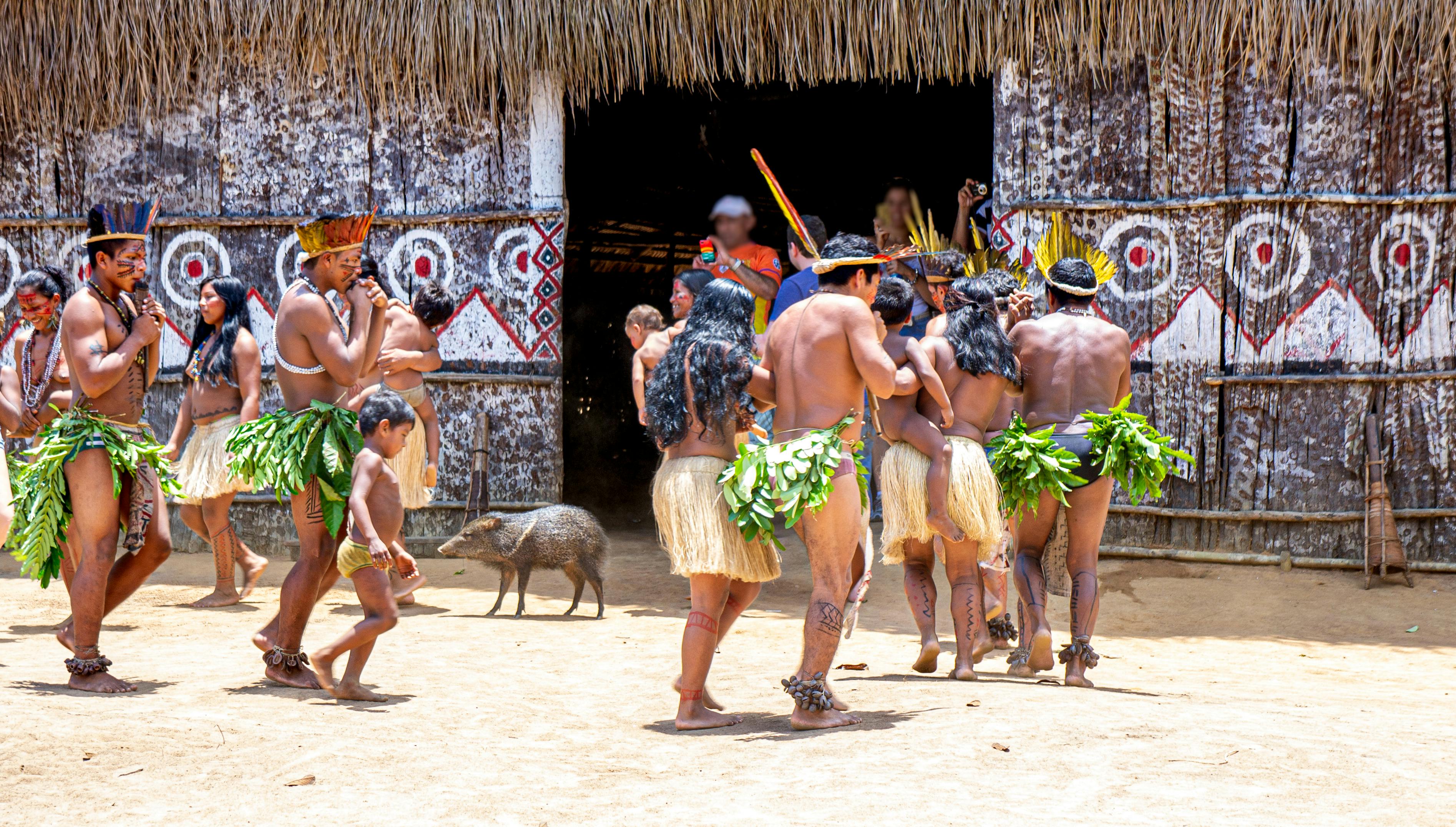
Climate impacts are also unevenly distributed, particularly across the Asia-Pacific region, where vulnerable communities often have limited capacity and resources to cope with shocks. Groups such as women, children, older persons, persons with disabilities, smallholder farmers, traditional fishers, informal workers, laborers, and Indigenous Peoples face higher risks—deepening social inequality over time.
This vulnerability stems from unequal access to resources, social protection, and rights, coupled with limited adaptive capacity. As a result, these groups struggle to recover and face heightened risks of social conflict. Climate-induced livelihood and housing losses also trigger forced migration, which can generate social tensions in destination areas.
Neglected Children’s Rights
Children are among the groups most severely affected by the climate crisis. Nearly all children worldwide are exposed to at least one climate- or environmental-related hazard, such as heatwaves, cyclones, air pollution, flooding, or water scarcity.
More than one-third of the world’s child population—around 820 million children—are highly exposed to heatwaves, a risk that will worsen as global temperatures continue to rise. Approximately 400 million children face high exposure to cyclones, a situation expected to intensify due to stronger storms, heavier rainfall, and shifting cyclone patterns.
Meanwhile, nearly 90 percent of children globally—around 2 billion children—are exposed to high levels of air pollution, with pollutant concentrations exceeding 10 μg/m³. This condition is likely to deteriorate unless fossil fuel combustion—the primary source of air pollution—is significantly reduced. Flooding and clean water scarcity also threaten the living spaces of hundreds of millions of children worldwide.
Indonesia ranks 46th out of 163 countries in terms of child population vulnerability. Climate and environmental hazards that undermine children’s access to basic services significantly reduce their resilience and adaptive capacity, increasing their long-term vulnerability.
Every Decision Shapes the Future
The climate crisis is a multidimensional challenge with far-reaching implications for economic performance, social stability, and justice for vulnerable populations. Addressing it requires collective action and equitable policies to mitigate impacts and protect all members of society.
As climate impacts become increasingly tangible, social protection systems play a vital role in strengthening community resilience and reducing vulnerability. As a key policy instrument, social protection helps address poverty that is indirectly driven by climate shocks.
Beyond this, social protection has a strategic role in supporting climate adaptation and mitigation. It contributes to reducing social inequality, cushioning economic shocks, lowering production losses, stimulating demand and economic activity, and strengthening human capital and labor participation.
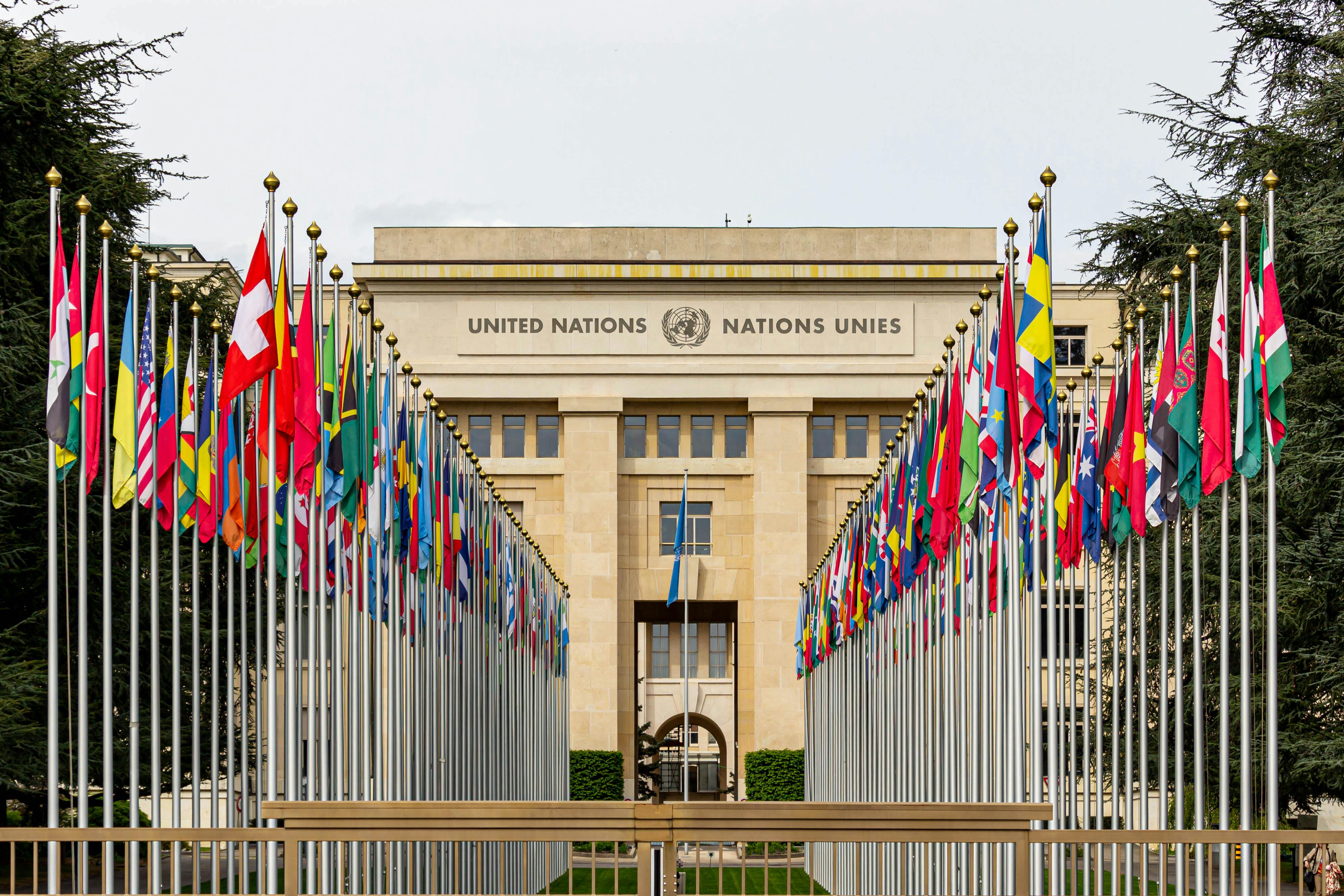
The success of these efforts depends in part on adequate climate finance. Unfortunately, outcomes from the 29th Conference of the Parties (COP29) on Climate Change—which was expected to be a turning point for climate finance—fell short of expectations. Developed countries committed to mobilizing only USD 300 billion per year by 2035, far below the USD 2.5 trillion demanded by developing countries.
Therefore, as a developing country, Indonesia must take proactive steps to reform and expand its social protection systems to support climate adaptation and mitigation, safeguard economic and social stability, and ensure climate justice for all segments of society.
References
Abidin, M. Zainul. (2023). Perubahan Iklim dan Perlindungan Sosial. Diakses dari https://www.kompas.id/baca/opini/2023/10/16/perubahan-iklim-dan-perlindungan-sosial pada 5 Desember 2024, pukul 13.00 WIB.
Budianto, Yoesep. (2023). Krisis Iklim yang Mengancam Keberlangsungan Hidup Manusia. Diakses dari https://www.kompas.id/baca/humaniora/2023/06/04/krisis-iklim-yang-mengancam-keberlangsungan-hidup-manusia pada 4 Desember 2024, pukul 11.48 WIB.
Institute for Essential Services Reform (IESR). (2024). Pasca COP-29: Indonesia Perlu Perkuat Kebijakan Iklim dan Pendanaan untuk Transisi Energi. Diakses dari https://iesr.or.id/pasca-cop-29-indonesia-perlu-perkuat-kebijakan-iklim-dan-pendanaan-untuk-transisi-energi/ pada 5 Desember 2024, pukul 16.31 WIB.
Kementerian Lingkungan Hidup dan Kehutanan Republik Indonesia. (2024). Proyeksi Dampak Ekonomi Akibat Perubahan Iklim. Diakses dari https://adaptasi.ppi.menlhk.go.id/adaptasi/getDetailContent/5/20 pada 4 Desember 2024, pukul 14.59 WIB.
UNICEF. (2021). Krisis Iklim adalah Krisis Hak Anak.
Urban, Stefan. (2024). Perlindungan Sosial di Tengah Perubahan Iklim. Diakses dari https://greennetwork.id/opini/perlindungan-sosial-di-tengah-perubahan-iklim/ pada 5 Desember 2024, pukul 16.19 WIB.